
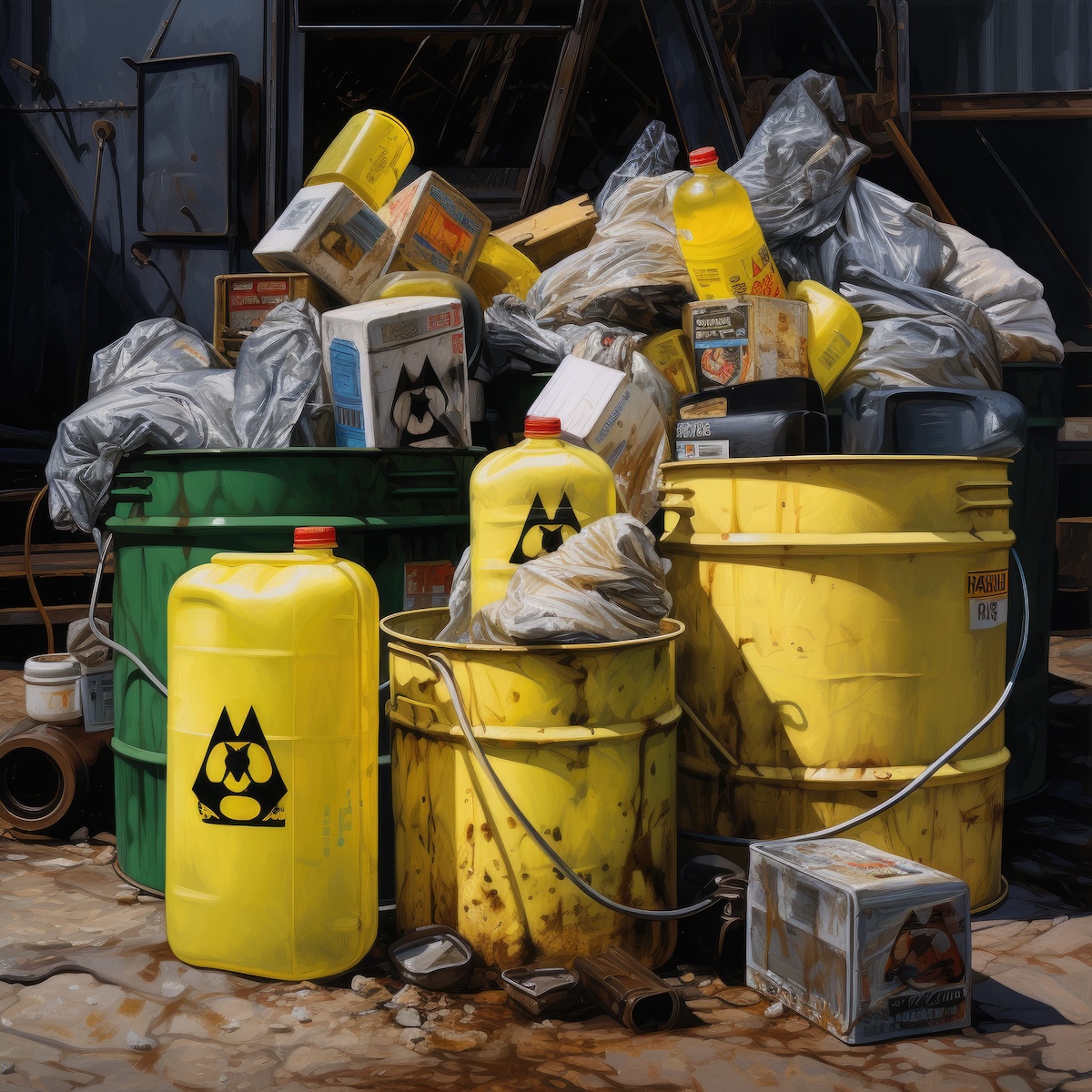
Many people assume that if an item is unwanted, damaged or no longer usable, it can simply be thrown into a skip. While skips are suitable for most household, garden and construction waste, some materials require specialist handling due to the risks they pose to people, property and the environment.
Hazardous waste is subject to strict regulations across the UK. Incorrect disposal can lead to environmental contamination, safety hazards and legal consequences. Understanding what constitutes hazardous waste and why it cannot be placed in a standard skip can help ensure your waste is managed responsibly and in compliance with current legislation.
Whether you are carrying out a home renovation, clearing a commercial premises or managing a construction project, this guide explains everything you need to know about hazardous waste disposal and the options available through AMA Skip Hire.
What Is Hazardous Waste?
Hazardous waste is any material that contains substances capable of causing harm to human health or the environment. These materials often possess properties that make them toxic, flammable, corrosive, reactive or environmentally damaging.
Hazardous waste can be generated from domestic, commercial, industrial and construction activities. While some hazardous materials are obvious, others can easily be overlooked during a clearance project.
Common examples include:
- Asbestos-containing materials
- Paints and solvents
- Oils and fuels
- Batteries
- Fluorescent tubes
- Chemicals
- Gas cylinders
- Electronic equipment
- Clinical waste
- Certain cleaning products and pesticides
Many of these items require specialist collection, transportation and treatment processes to ensure they are disposed of safely.
Why Hazardous Waste Cannot Go in a Standard Skip
Standard skips are designed to handle general waste, mixed construction materials, soil, rubble, timber, metals and similar non-hazardous materials.
Hazardous waste cannot be handled in the same way as general household or construction waste because it presents additional risks throughout the waste management process. From the moment waste is loaded into a skip, transported on public roads and processed at a recycling facility, hazardous materials can create serious health, safety and environmental concerns. Certain substances can leak into the surrounding environment, while others can react with different materials, release harmful fumes or even cause fires. For this reason, strict regulations govern how hazardous waste must be stored, transported and disposed of throughout the UK.
Health Risks
Some hazardous materials become particularly dangerous when they are moved, broken, crushed or exposed to heat. Materials such as asbestos can release microscopic fibres into the air, while chemicals and solvents may emit harmful vapours that are dangerous to inhale. Workers handling skips, waste transfer station staff and members of the public can all be put at risk if hazardous materials are not identified and managed correctly. Proper disposal helps minimise these risks and ensures potentially harmful substances remain contained throughout the waste management process.
Environmental Damage
One of the biggest concerns surrounding hazardous waste is the potential impact on the environment. If substances such as oils, chemicals, fuels or solvents leak during storage, transportation or disposal, they can contaminate soil, groundwater and nearby watercourses. Even relatively small amounts of hazardous waste can have long-lasting consequences, affecting wildlife, ecosystems and local water supplies. Proper disposal helps prevent harmful substances from entering the environment and ensures they are treated safely at approved facilities.
Fire and Explosion Hazards
Certain hazardous materials present a significant fire risk when mixed with general waste. Lithium batteries, gas cylinders, aerosols and flammable liquids can become unstable if crushed, punctured or exposed to heat during collection and processing. In some cases, these materials can ignite unexpectedly, causing fires in skips, waste vehicles or recycling facilities. This is one of the key reasons why potentially hazardous items should always be separated from standard waste streams.
Legal Compliance
Both businesses and individuals have a legal responsibility to ensure waste is disposed of correctly. Under UK waste regulations, hazardous materials must be managed through authorised disposal routes and handled by appropriately licensed operators. Failure to do so can lead to enforcement action, financial penalties and environmental liabilities. Understanding whether your waste is classified as hazardous is an important first step in ensuring compliance and avoiding unnecessary issues later in the disposal process.
Hazardous Waste Types and Why They Cannot Go in a Skip
Asbestos
Asbestos is one of the most tightly controlled forms of hazardous waste in the UK due to the severe health risks associated with exposure. Commonly found in properties built before 2000, asbestos was widely used in roofing sheets, insulation boards, ceiling tiles, pipe lagging and other building materials. When asbestos-containing materials are damaged, cut or disturbed, tiny fibres can become airborne and remain suspended in the air for long periods. Inhalation of these fibres has been linked to serious illnesses, including mesothelioma, lung cancer and asbestosis. Because of these risks, asbestos must be removed, transported and disposed of using approved procedures and facilities.
Although widely used in buildings constructed before the year 2000, asbestos fibres can cause severe respiratory diseases when released into the air.
Health Risks
- Mesothelioma
- Lung cancer
- Asbestosis
- Chronic respiratory illness
Because asbestos fibres are microscopic, specialist handling and containment procedures are required throughout collection and disposal.
|
Waste Type |
Can Go In A Standard Skip? |
Why Not? |
|---|---|---|
|
Asbestos sheets |
No |
Airborne fibres present serious health risks |
|
Asbestos insulation |
No |
Requires licensed handling and disposal |
|
Asbestos lagging |
No |
Highly hazardous when disturbed |
Paints, Solvents and Chemicals
Leftover paints, varnishes, thinners and solvents often contain hazardous compounds that can pollute watercourses and create fire risks.
Many liquid chemicals can also react unpredictably when mixed with other waste materials, creating risks such as toxic fumes, fires, leaks or environmental contamination during transportation and processing.
Examples include:
- Paint thinners
- White spirit
- Industrial cleaners
- Adhesives
- Degreasers
- Chemical treatments
Batteries
The increasing use of rechargeable technology has led to a significant rise in battery waste across the UK. While batteries may appear harmless, many contain hazardous chemicals, heavy metals or highly reactive components. Lithium-ion batteries in particular have become a major concern within the waste industry due to their ability to ignite when damaged or crushed. Fires caused by improperly disposed batteries can spread rapidly within skips, waste vehicles and recycling facilities, creating substantial safety risks and operational disruption.
Lithium batteries, in particular, are known to cause fires at waste transfer stations and recycling facilities.
|
Battery Type |
Main Risk |
|---|---|
|
Lithium-ion |
Fire and thermal runaway |
|
Lead-acid |
Acid leakage |
|
Nickel-cadmium |
Toxic heavy metals |
|
Vehicle batteries |
Corrosive substances |
Waste Electrical Equipment (WEEE)
Electrical items often contain hazardous substances and components that require specialist treatment and recycling. Many products contain materials such as heavy metals, refrigerants, circuit boards and batteries, which can be harmful to the environment if disposed of incorrectly.
Common examples include:
- Televisions
- Computers
- Monitors
- Fridges
- Freezers
- Printers
- Small electrical appliances
In addition to potentially hazardous components, many electrical products contain valuable recyclable materials including copper, aluminium, steel and plastics. Specialist WEEE recycling facilities are able to recover these materials for reuse while safely managing any hazardous substances. For this reason, electrical items should never be placed in a standard skip and should instead be disposed of through approved recycling and waste management channels.
Oils and Fuels
Waste oils and fuels are among the most environmentally damaging materials commonly found during garage clearances, vehicle repairs and construction projects. Even small quantities can cause significant pollution if they leak into the ground, drainage systems or nearby watercourses.
Common examples include:
- Engine oil
- Hydraulic oil
- Petrol
- Diesel
- Lubricants
Unlike general waste, these substances contain chemicals that can contaminate soil and water, making specialist collection and disposal essential. A single litre of waste oil has the potential to pollute thousands of litres of water if handled incorrectly, which is why oils and fuels should never be placed in a standard skip. Instead, they must be disposed of through approved hazardous waste facilities that are equipped to manage and treat potentially harmful liquids safely.
Gas Cylinders
Gas cylinders are designed to store gases under pressure and must be handled with extreme care, even when they appear to be empty. Many cylinders still contain residual gas that can ignite, leak or expand when exposed to heat. If a gas cylinder enters the waste stream accidentally, it can create serious dangers during transportation and processing. In extreme cases, damaged cylinders may rupture or explode, posing a risk to workers, equipment and nearby property. This is why gas bottles and canisters should always be returned through approved collection or recovery schemes.
Common examples include:
- Propane cylinders
- Butane cylinders
- Camping gas canisters
- Industrial gas bottles
Even seemingly empty cylinders may contain residual gas and must never be placed in a general waste skip.
Clinical and Medical Waste
Clinical and medical waste requires careful handling, segregation and disposal to protect public health and prevent the spread of infection. Unlike general household or construction waste, medical waste can contain hazardous substances, biological contaminants or sharp objects that pose risks to anyone who comes into contact with them during collection, transportation or processing.
Even relatively small quantities of clinical waste can create serious health and safety concerns if disposed of incorrectly. Materials contaminated with blood, bodily fluids, pharmaceuticals or infectious substances must be managed through dedicated waste streams designed specifically for healthcare-related waste.
Common examples of clinical and medical waste include:
- Needles and sharps
- Syringes
- Prescription medicines
- Expired pharmaceuticals
- Dressings and bandages
- PPE used in healthcare settings
- Laboratory waste
- Contaminated materials and absorbents
Sharps such as needles and syringes present a particular risk because they can cause injuries and potentially expose waste handlers to infectious diseases. Similarly, medicines and pharmaceutical products often contain chemicals that can contaminate the environment if they enter landfills or watercourses.
Medical waste is not limited to hospitals and healthcare facilities. It can also be generated by dental practices, veterinary surgeries, care homes, beauty clinics, tattoo studios and even domestic properties where medical treatments are carried out at home.
Because of the potential health, environmental and regulatory implications, clinical waste must never be placed in a standard skip. Instead, it must be collected, transported and treated by specialist waste providers using approved disposal routes that comply with current UK healthcare waste regulations.
Examples of Clinical Waste and Disposal Requirements
|
Waste Type |
Can Go In A Standard Skip? |
Typical Disposal Method |
|---|---|---|
|
Needles and sharps |
No |
Approved sharps containers and specialist treatment |
|
Medicines |
No |
Pharmaceutical waste disposal |
|
Clinical dressings |
No |
Healthcare waste collection |
|
Contaminated PPE |
No |
Specialist clinical waste treatment |
|
Laboratory waste |
No |
Hazardous waste processing |
|
Veterinary waste |
No |
Licensed clinical waste disposal |
Need advice on disposing of clinical or medical waste? AMA Skip Hire can help arrange compliant waste management solutions and direct you to the appropriate disposal route for specialist waste streams that cannot be placed in a standard skip.
Fluorescent Tubes and Energy Saving Bulbs
Fluorescent tubes, compact fluorescent lamps (CFLs) and certain energy-saving light bulbs require specialist disposal due to the materials used in their construction. While they may look similar to ordinary household bulbs, many contain small amounts of mercury, a hazardous substance that can pose risks to both human health and the environment if released.
When fluorescent lamps are damaged or broken, mercury vapour can escape into the air and contaminate surrounding waste materials. Although the amount contained within a single bulb is relatively small, large quantities entering the waste stream can create significant environmental concerns. Mercury contamination can affect soil, watercourses and recycling processes, which is why these products are subject to specific disposal requirements.
In addition to mercury, fluorescent lighting products contain glass, phosphor coatings and metal components that can often be recovered and recycled through dedicated treatment facilities. Specialist recycling helps prevent hazardous substances from entering landfill while allowing valuable materials to be reused in the manufacture of new products.
Quick Reference Guide
|
Hazardous Material |
Allowed In Standard Skip? |
Specialist Disposal Required? |
|---|---|---|
|
Asbestos |
No |
Yes |
|
Paint |
No |
Yes |
|
Solvents |
No |
Yes |
|
Batteries |
No |
Yes |
|
Engine oil |
No |
Yes |
|
Gas cylinders |
No |
Yes |
|
Clinical waste |
No |
Yes |
|
Fluorescent tubes |
No |
Yes |
|
Electrical equipment |
No |
Yes |
What Happens If Hazardous Waste Is Found in a Skip?
Discovering hazardous waste in a standard skip can create significant complications for both the customer and the waste operator. Waste loads may need to be quarantined while the material is assessed, resulting in delays to collection and processing. In many cases, specialist contractors must be brought in to remove and dispose of the hazardous items separately. This can increase disposal costs and may prevent recyclable materials within the skip from being recovered. Identifying hazardous waste before booking a skip helps avoid unnecessary disruption and ensures the correct disposal route is used from the outset.
These may include:
- Refused collections
- Additional disposal charges
- Delays to waste processing
- Contamination of recyclable materials
- Specialist removal requirements
- Potential compliance issues
Understanding which materials are classified as hazardous allows the appropriate disposal route to be arranged from the beginning, helping to protect both the environment and those involved in handling the waste.
How to Dispose of Hazardous Waste Safely
The safest approach is to seek professional advice before disposing of any material you suspect may be hazardous.
Specialist hazardous waste disposal services ensure materials are:
- Correctly identified
- Stored safely
- Transported legally
- Processed at authorised facilities
- Fully compliant with UK regulations
Professional waste management also provides peace of mind that your waste is being handled responsibly from collection through to final disposal.
Hazardous Waste Management Services from AMA Skip Hire
While hazardous materials cannot be placed in a standard skip, AMA Skip Hire can help arrange safe and compliant hazardous waste disposal services for domestic, commercial and construction customers.
Whether you need assistance with asbestos disposal, chemical waste, contaminated materials or specialist waste streams, our team can guide the most appropriate solution.
We work with approved waste management partners to ensure hazardous materials are handled in accordance with current regulations and environmental best practices.
Need Help With Hazardous Waste Disposal?
If you’re unsure whether your waste is classified as hazardous, it’s always best to ask before arranging collection.
Contact AMA Skip Hire on 0333 015 5133, and our team can advise on the safest and most compliant disposal route for your waste.
From hazardous waste management and specialist collections through to skip hire for non-hazardous materials, we’re here to help keep your project running safely and efficiently.