
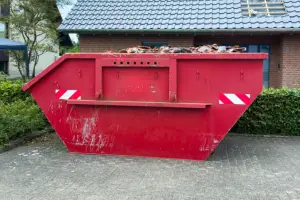
At AMA Skip Hire, you can hire a skip for up to 14 days, with longer hire periods available by arrangement. If your project needs more time, contact our team to discuss an extension. Your agreed booking dates should always be your starting point when planning delivery and collection.
Getting the timing right helps you make the most of your skip. Ordering too early can leave it sitting empty while you wait for work to begin, while leaving collection arrangements until the last minute can disrupt the next stage of your project.
Plan your skip hire around the work
The most useful delivery date is close to when you will start producing waste. For a kitchen renovation, that might be when the old units are being removed. For landscaping, it could be the day excavation begins. Speak to anyone working on the project before confirming your booking so the skip arrives when it is needed.
Think about the days you can realistically spend on the job, too. A project taking four working days could stretch over two weekends if you are fitting it around work. Allowing for that from the outset gives you a more realistic schedule than assuming everything will be finished in a few evenings.
It also helps to consider when the last waste will be produced. Removing old fittings might happen at the start, but packaging and offcuts can arrive later. Plan around the whole job rather than just the first busy day.
Arrange more time before your hire ends
Renovation and building work does not always run to schedule. Materials can arrive late, tradespeople may need to rearrange, or a job can turn out to involve more work than expected. If your completion date changes, contact us before your agreed hire period ends to discuss keeping the skip longer.
Have your booking details ready and explain how much extra time you expect to need. Ask us to confirm availability, any additional charges and the revised collection arrangements before relying on an extension. This gives you a clear plan and avoids leaving the skip’s return date unresolved.
If you already expect the work to take longer than two weeks, mention this when booking. It is easier to plan a longer project when your waste arrangements are considered alongside the work schedule.
Book collection before the last day
Please call us at least 72 hours before your preferred collection date to arrange removal. Unless collection has already been confirmed as part of your booking, do not assume the skip will automatically be collected on the final day of your hire.
Work backwards from any date when you need the space clear. For example, if another delivery needs access to your driveway, arrange your skip collection with that in mind. Tell us about any deadline when booking collection so we can discuss the arrangements.
Before the driver arrives, make sure parked vehicles, building materials and other obstructions are out of the way. Clear access is needed to remove the skip, just as it was for delivery.
Check permit dates for skips on the road
A skip on a public road also needs to stay within its permit dates. Permit durations and extension arrangements vary between councils, so extending your skip hire does not automatically extend permission to keep it on the road.
If your project overruns, tell us that the skip is on the road when discussing extra time. The permit position needs checking before the existing permission expires. Keeping the hire dates and permit dates aligned helps avoid a last-minute change to your plans.
Finished filling your skip early?
You do not need to wait until the end of your hire period to request collection. Contact us once you know when the skip will be ready, allowing the notice period above. Before doing so, check whether any remaining work will produce waste you still need to dispose of.
For help planning your booking, comparing skip sizes or discussing a longer hire period, call our team. Tell us what the job involves and when work starts, and we can help you arrange skip hire around your project.